‌‌‌‌
‌

Experience the best tours of Chianti from Florence

Crafted by Headout, a global experiences brand offering curated tours, tickets & experiences. Discover with ease, book with peace.
4.3/5
2,921 travellers from around the world love this
‌
‌
‌
‌
‌
‌
‌
‌
‌
‌
‌
‌
‌
‌
‌
‌
‌
‌
‌
‌
‌
‌
‌
‌
‌
‌
‌
‌
‌
‌
‌
‌
‌
‌
‌
‌
‌
‌
‌
‌
‌
‌
‌
‌
‌
‌
‌
‌
‌
‌
‌
‌
‌
‌
‌
‌
‌
‌
‌
‌
‌
‌
‌
‌
‌
‌
‌
‌
‌
‌

How Headout makes choosing experiences effortless

We curate the best ways to experience

We research and organise all unique experiences - from tickets to tours to special combos - so you get all the choices without the clutter.

We partner with the best

Every supplier is vetted for quality, reliability, and value so you only get top rated experiences. No surprises, no disappointments.

All the best options, in one place

Each experience is thoughtfully organised to give you maximum availability, great value and an easy way to choose.

Book with complete peace of mind

Free cancellations, Flexible payments, and 24/7 support - thoughtfully designed for flexibility, assurance, and total peace of mind.

Slide 1 of 4

Slide 1 of 4
We curate the best ways to experience

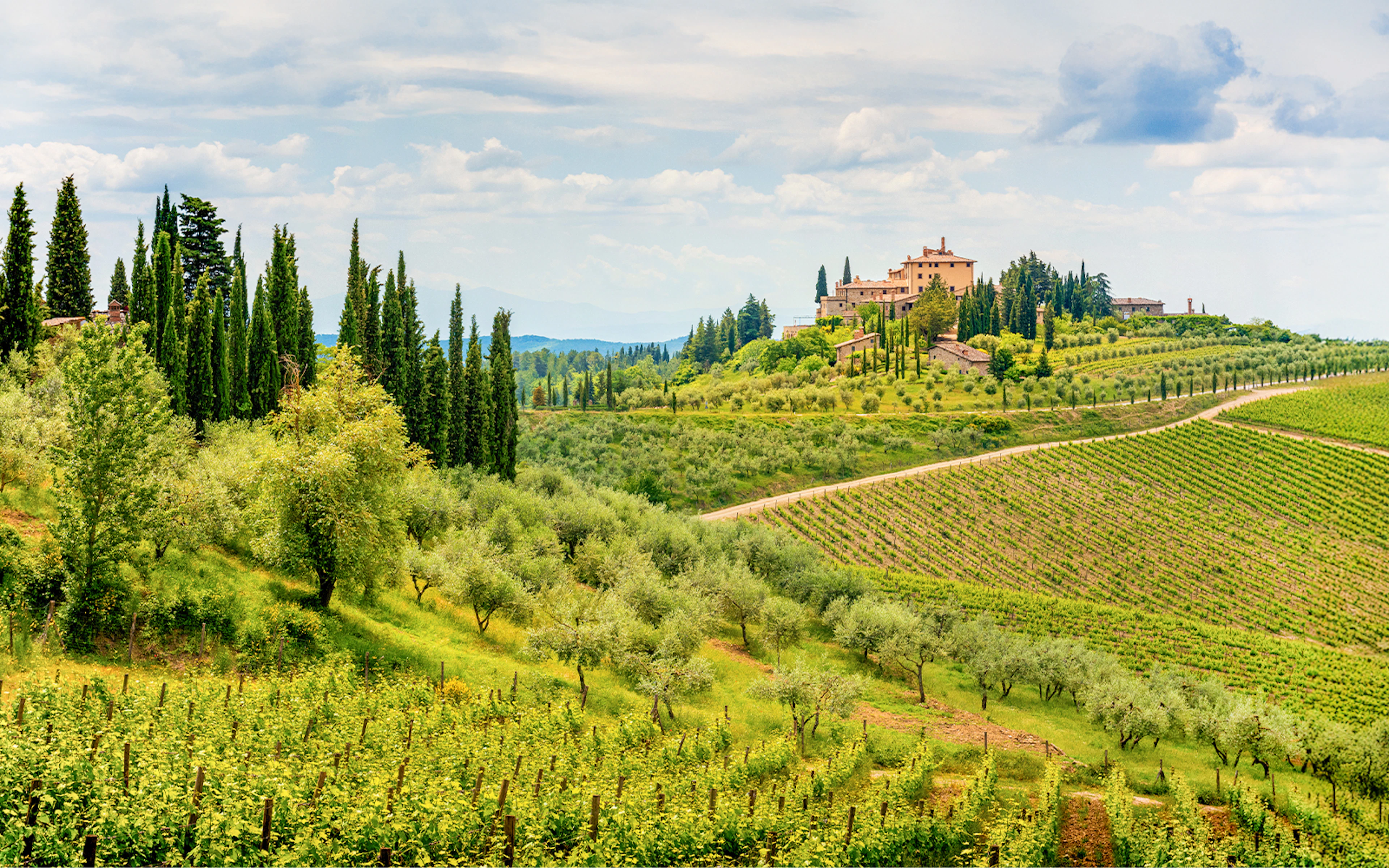
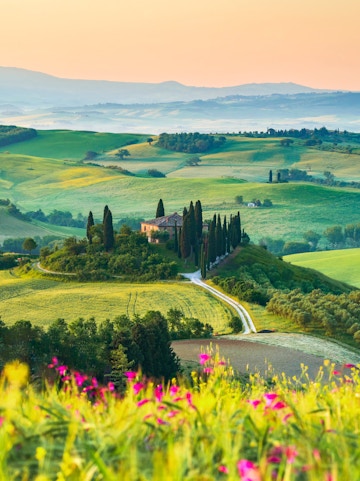
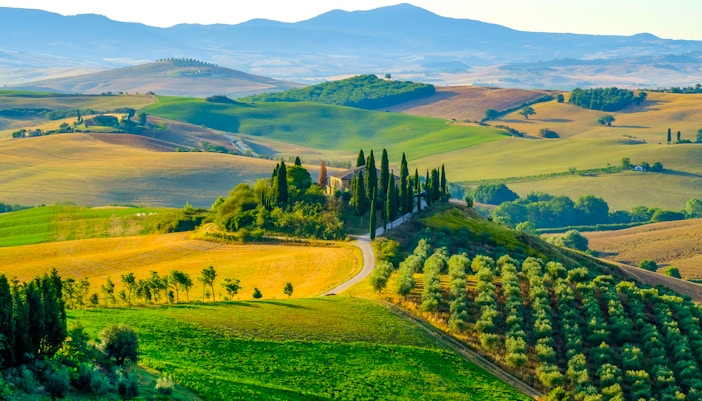
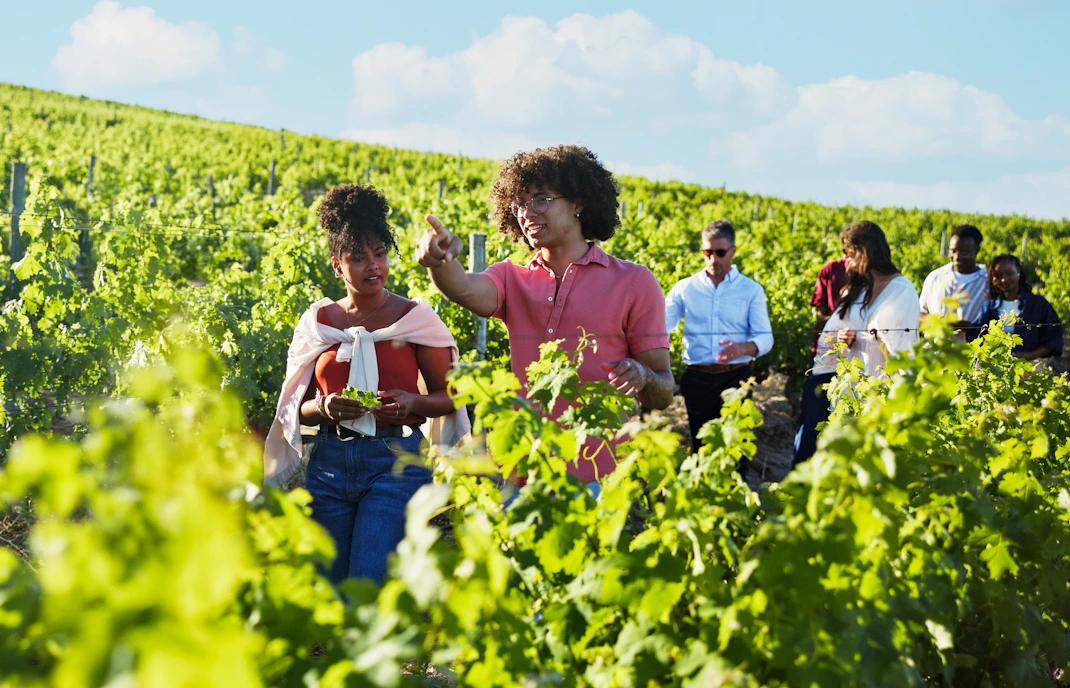
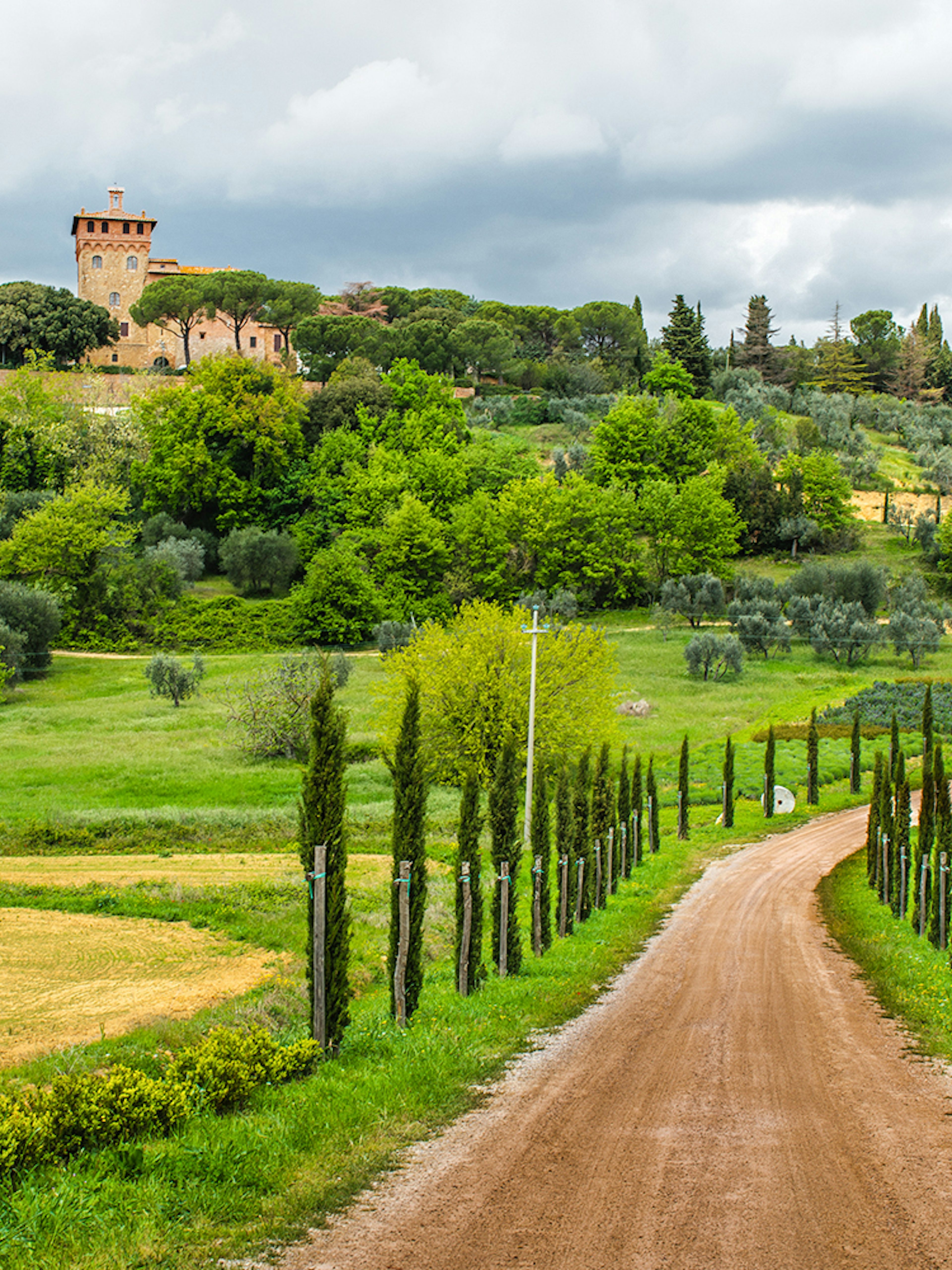
Just an hour from Florence, Chianti is Tuscany at its most postcard-worthy: vineyard hills, stone villages, cellar doors, and long countryside roads between Siena and Florence. This is where Tuscany’s most iconic wine is made, across estate vineyards, stone cellars, and Sangiovese country. Choose a winery-first tour for focused tastings, or make a fuller day of it with Siena, San Gimignano, Pisa, and a Tuscan lunch woven into the route.

Quick overview

  • Distance from Florence: Central Chianti begins about 30 km south; deeper Chianti Classico stops can be around 50 km away.
  • Typical travel time: Around 1 to 1.5 hours each way by coach
  • On-site visit duration: 3 to 4 hours for a winery-focused tour; 8 to 10 hours for a full Tuscany combo
  • Cost range: Shared tours often start around to ; small-group formats cost more
  • Best season: Late May to October brings greener vineyard views; April and October are milder and less crowded; harvest weeks fill faster.
  • Meeting/drop-off point: Most tours start in central Florence, often near Santa Maria Novella or Piazzale Montelungo; exact pickup points vary by tour.
  • Key stops covered: Chianti Classico estates, cellar and barrel room visits, Sangiovese and Chianti Classico tastings, optional stops in Siena, San Gimignano, and Pisa depending on tour selected

What to expect on a Florence to Chianti day trip

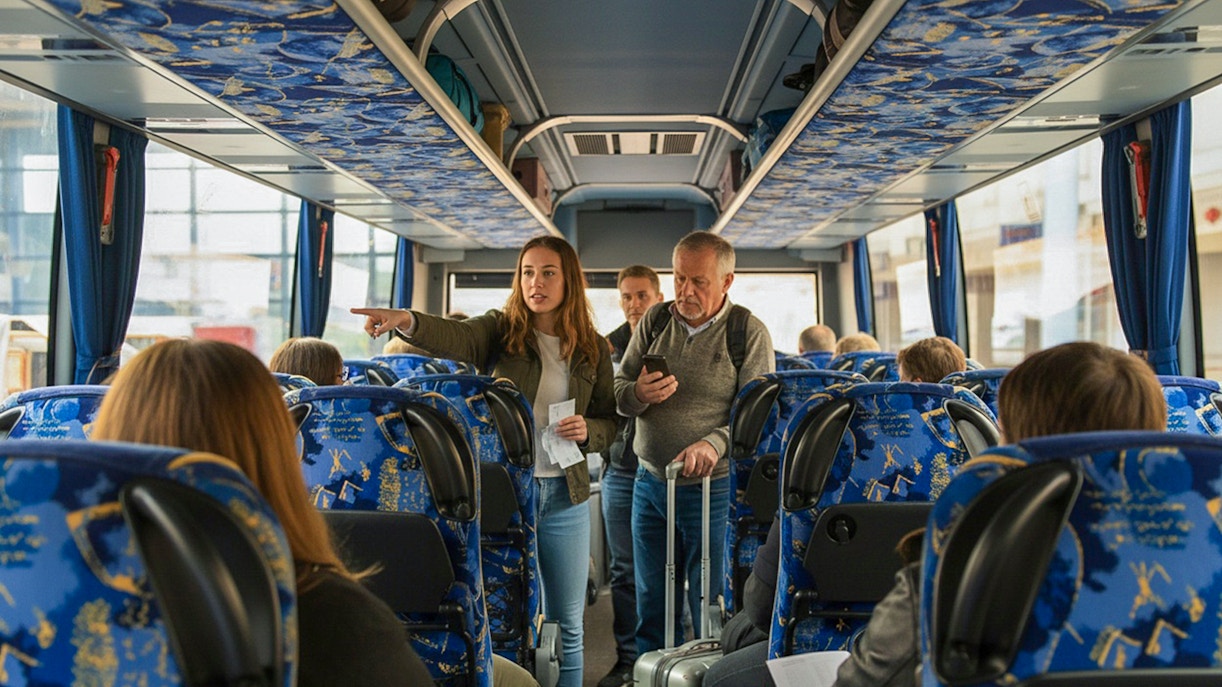
Tourists boarding air-conditioned coach bus for transfer to Montserrat Monastery.
1/7

Meet and depart

Travel from central Florence in an AC coach, with round-trip transfers taking the stress out of rural Tuscan transport.

Settle into the drive

Leave Florence behind as the route winds into Chianti’s vineyard hills, olive groves, and cypress-lined lanes. The scenery is part of the day.

Join the winery visit

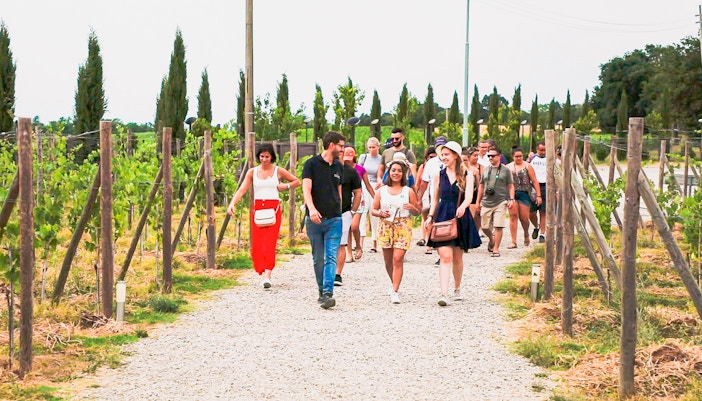
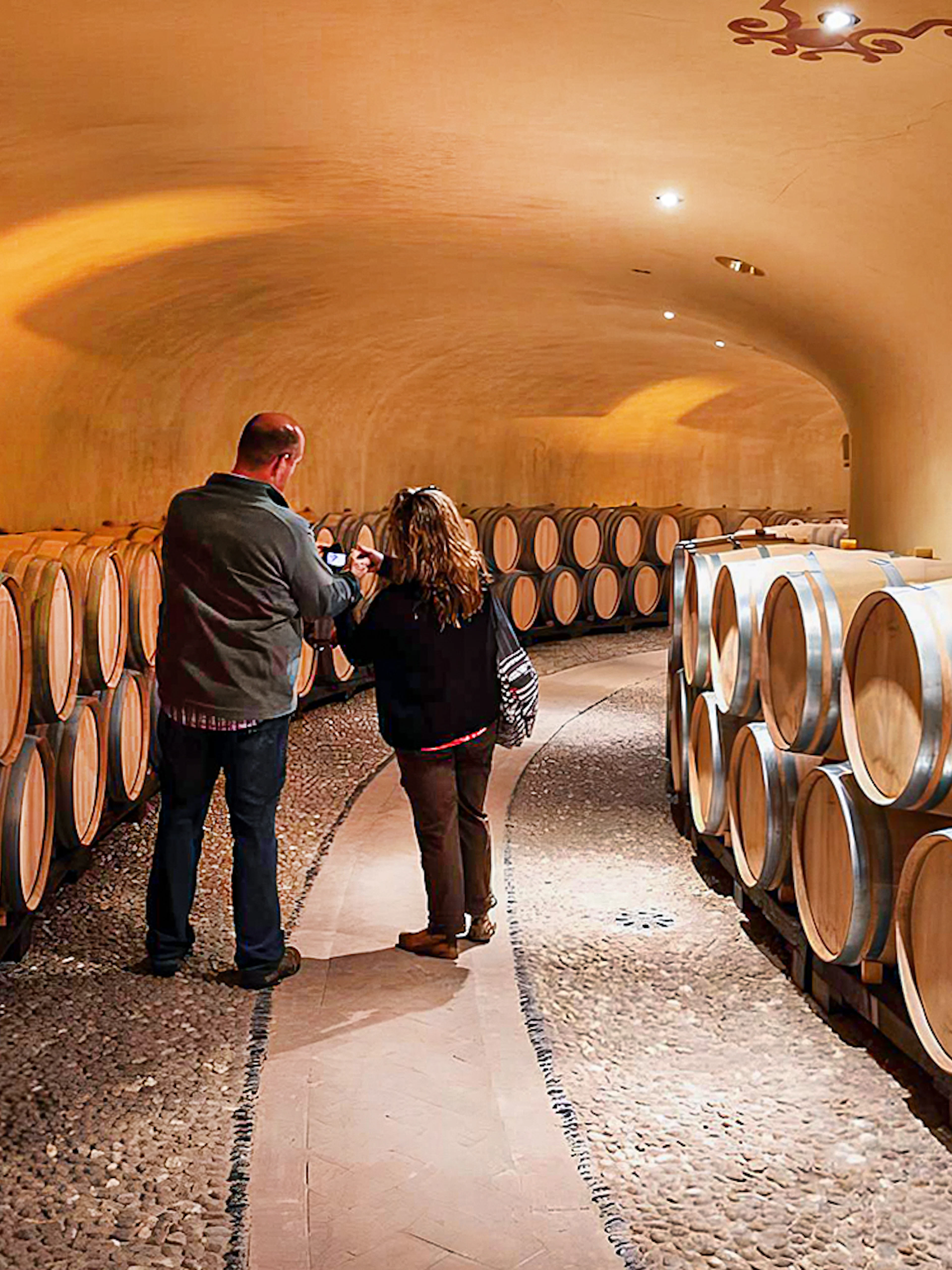
Walk the cellars and barrel rooms of working Chianti Classico estates led by a local guide, before sitting down to taste.

Wine tastings

Between 3 and 6 tastings depending on your tour, from entry-level Annata to aged Riserva pours.

Tuscan lunch

Full-day combo tours include a traditional sit-down lunch: pasta, grilled meats, local bread, and the wine you just tasted.

Optional city stops

Extend the day with Siena's Piazza del Campo, San Gimignano's medieval towers, or Pisa's Piazza dei Miracoli depending on the tour you choose.

Ride back to Florence

Reboard for the drive back to Florence Included, usually in the late afternoon or evening depending on your tour.

Things to know before booking your Florence to Chianti day trip

Transport & logistics

  • All tours include round-trip AC coach transfers from central Florence, typically near Santa Maria Novella or Piazzale Montelungo. The drive into Chianti takes 45 to 75 minutes each way depending on how deep into the region your route goes.
  • Self-driving is possible but not recommended for a winery day, estate roads are rural and narrow, and public transport doesn't reach most vineyards.

Tour duration and winery time

  • Winery-first Chianti tours: Usually 4 to 6 hours, with 2 estate visits and 3 tastings at each, 6 tastings total. Best if Chianti itself is the reason you’re booking.
  • Full-day Tuscany combo tours: Usually 8 to 11 hours, with Siena, San Gimignano, Pisa, or lunch included. These include 1 winery stop, usually with 3 tastings.

Lunch and food

  • Lunch isn’t included on every tour. It’s usually part of the two-town or three-town Tuscany tours, with a traditional Tuscan meal such as pasta, grilled meats, local bread, and vegetarian options on most departures.
  • The dedicated winery tour doesn't include a sit-down meal, but most estates serve tastings alongside local cheese, cured meats, and olive oil. If a full lunch matters as much as the wine, choose a combo route.

Guides and extras

  • A multilingual tour escort or licensed guide is included across all options.
  • Combo tours offer optional upgrades including a guided Siena city tour, Siena Cathedral access, and entry to the Leaning Tower of Pisa.
  • The small-group Pisa, Siena, and San Gimignano tour caps at 20 guests, the only small-group format in this lineup, and the clearest choice if you want more guide access and less waiting at stops.

Policies

  • Wine tastings are for guests 18+. Bring valid photo ID, as wineries may check age before serving.
  • These tours may not suit travelers with limited mobility. Expect coach steps, cobblestones, gravel, slopes, or uneven winery paths.

Booking window

  • Florence to Chianti day trips are often booked close to travel date, but availability tightens from May to October. Small-group departures usually fill first because they run with lower guest counts.

Which Florence to Chianti tour is right for you?

Ticket typeDurationWhat the day feels likeFood & tastingsTransfers from FlorenceGroup sizeOptional upgrades

Chianti Wineries Tour with Wine Tasting

5-6 hrs

A focused Chianti day built around 2 winery visits, vineyard time, and a licensed tour escort handling the route

3 tastings at each winery (total 6 glasses)

✅

Up to 45 guests

-

Siena, San Gimignano & Pisa with Lunch and Wine Tasting

11-11:30 hrs

A packed Tuscany sampler with 3 towns, free time in each, a Chianti winery stop, and lunch folded into the route

Traditional Tuscan lunch + 3 wine tastings

✅

Up to 45 guests

Siena guided tour, Siena Cathedral tour, Leaning Tower access

Siena & San Gimignano with Lunch and Wine Tasting

9-11 hrs

A more balanced Tuscan day with 2 medieval towns, a slower countryside rhythm, lunch, and a winery visit

Traditional Tuscan lunch + 3 wine tastings

✅

Up to 45 guests

Siena guided tour, Siena Cathedral tour

Siena & San Gimignano with Wine Tasting

9-10 hrs

A lighter town-and-winery route with free time in Siena and San Gimignano, minus the fixed lunch stop

1 Winery visit with 3 tastings

✅

Up to 45 guests

Siena guided tour

Small-Group Siena, San Gimignano & Pisa with Lunch and Wine Tasting

11-11:30 hrs

The big Tuscany circuit, but with a smaller English-speaking group and a more personal pace

Typical Tuscan meal + 3 tastings

✅

Up to 20 guests

Siena guided tour

Main stops on your Chianti day trip

Chianti Classico Countryside

The drive through the Chiantigiana — the SS222 road linking Florence and Siena — is part of the experience. Cypress-lined roads, vineyard terraces, and stone farmhouses make up some of the most photographed landscape in Italy. You're not stopping, but you're not missing it either.

Included: Yes, all tours

Chianti Classico Winery & Cellar

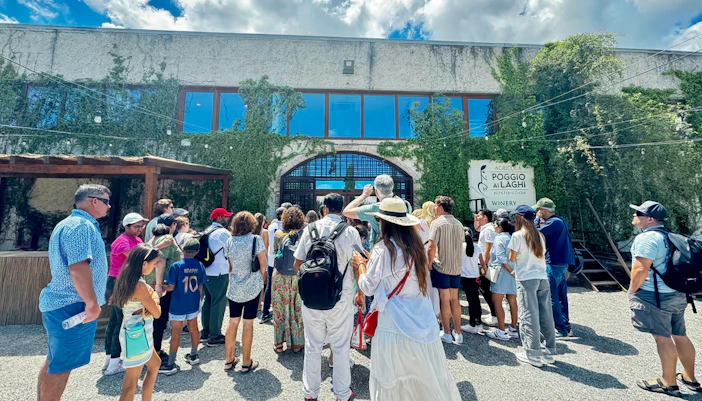
The centerpiece of the day. Two working winery estates on the dedicated winery tour, one winery visit on the combo tours. Walk the cellars, see the barrel rooms, and taste your way through Sangiovese at different aging stages — Annata, Riserva, and often estate olive oil alongside.

Recommended duration: 1.5 to 2 hours per estate
Included: Yes.

Greve in Chianti

The informal capital of the Chianti Classico zone, a quiet market town with a distinctive triangular piazza, local wine shops, and butchers selling the region's celebrated charcuterie. Some tours include a brief stop here before or between estate visits.

Recommended duration: 30 to 45 minutes
Included: Select tours

Tuscan Lunch

Not a restaurant stop as an afterthought, on the combo tours, lunch is a sit-down Tuscan spread paired with regional wine. Pasta, grilled meats, local bread, and seasonal sides. Vegetarian options available on request.

Recommended duration: 1 to 1.5 hours
Included: Select tours only

More stops along the way

Not every Chianti tour stops at just wineries. Some routes stretch deeper into Tuscany, adding medieval hill towns, cathedral squares, and Pisa’s landmark skyline along the way.

Siena

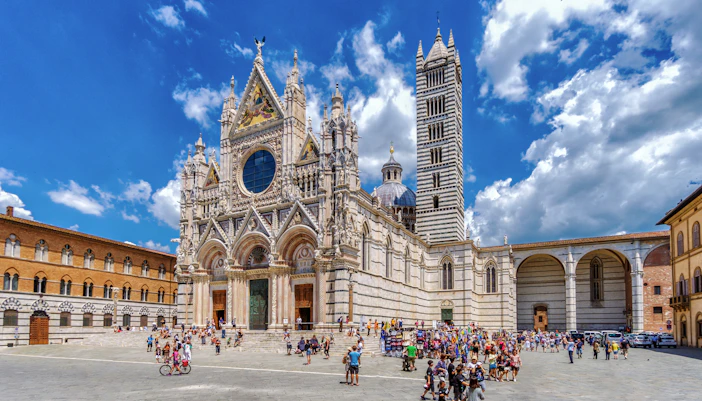
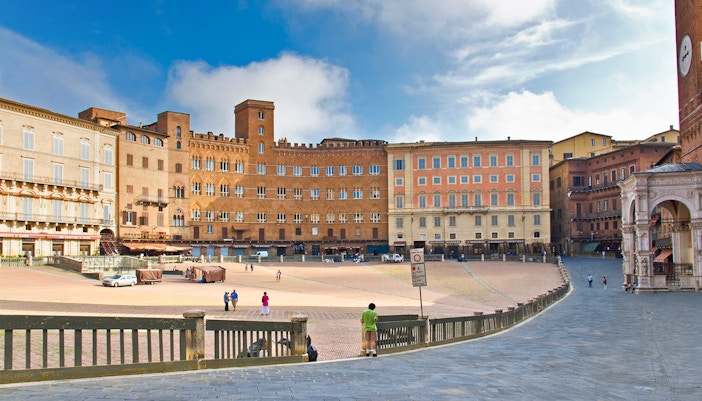
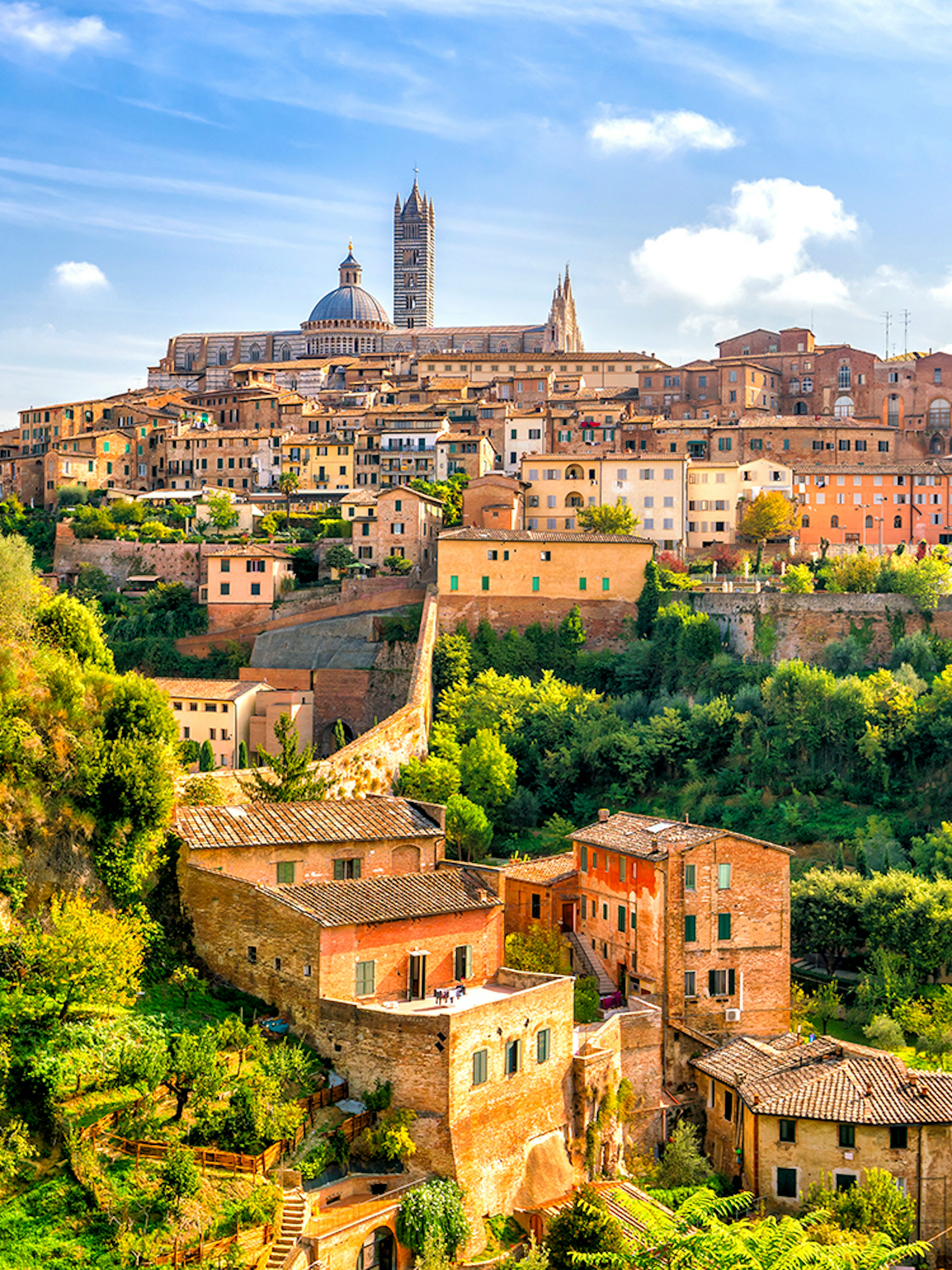
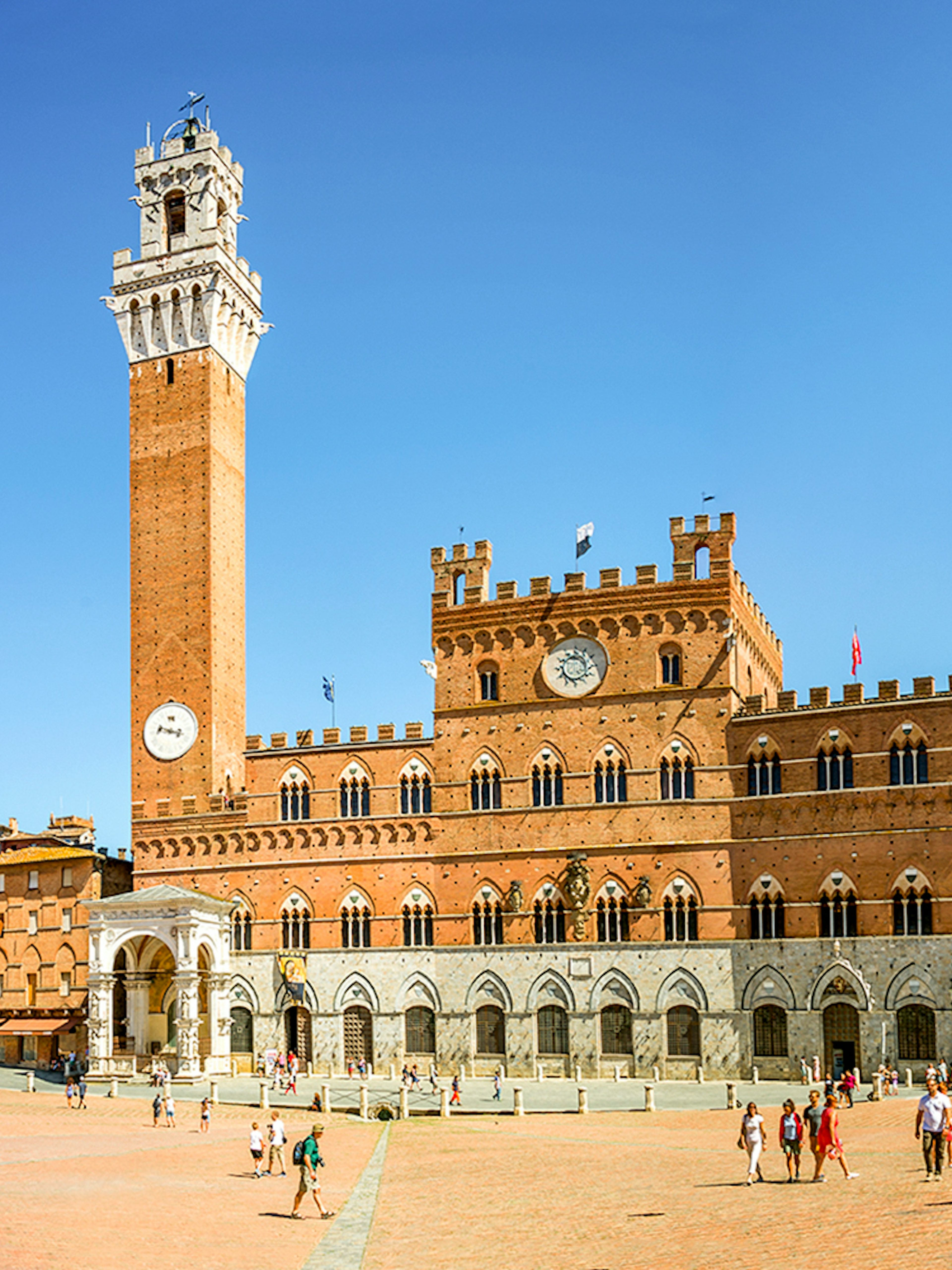
One of Italy's best-preserved medieval cities, built around the sloping shell-shaped Piazza del Campo, the same square that hosts the Palio horse race twice a year.

Free time to explore on all combo tours, with the option to add a guided walk through the city's contrade and its ornate Gothic Cathedral.

Recommended duration: 1.5 to 2 hours
Must-see: Piazza del Campo, Torre del Mangia, Siena Cathedral

San Gimignano

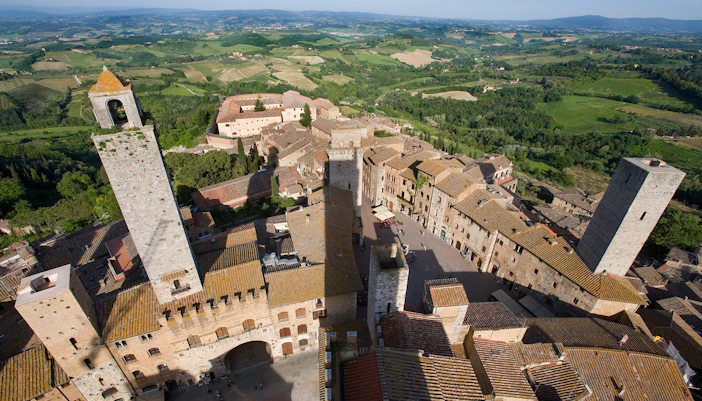
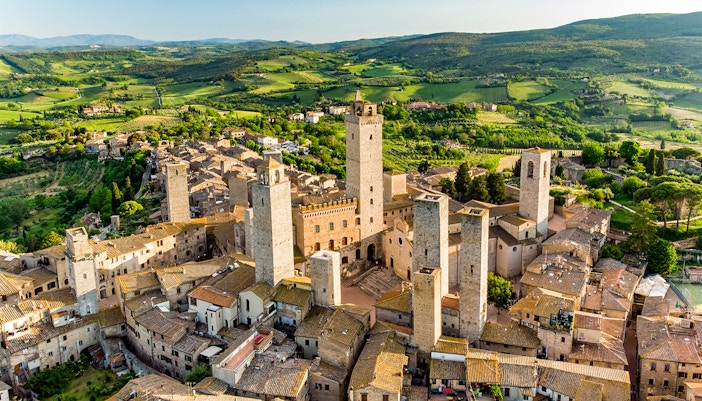
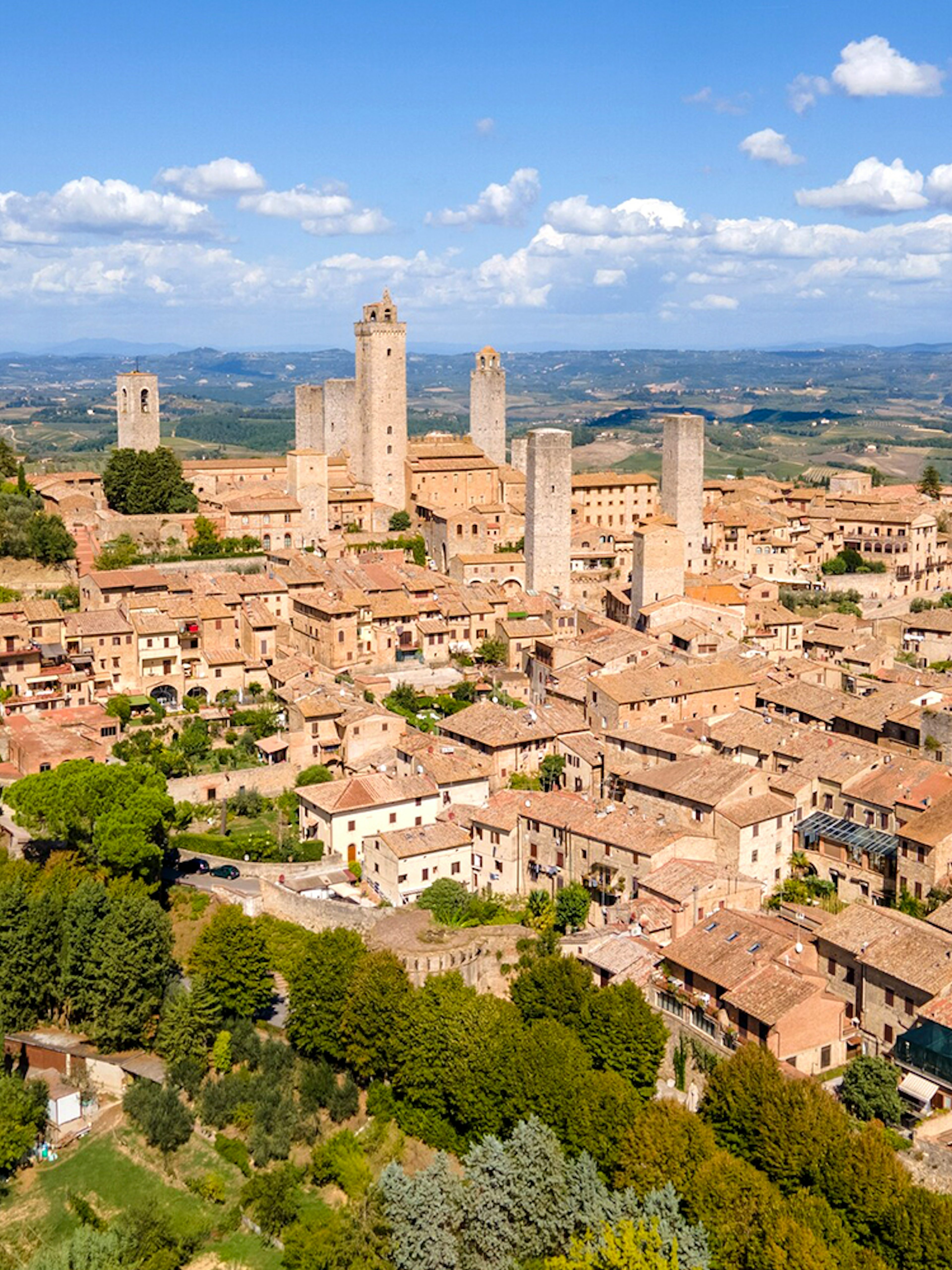
A UNESCO-listed hilltop village famous for its 14 surviving medieval towers, built by rival noble families as status symbols in the 13th century. Compact enough to cover on foot in an hour, with artisan shops, local wine bars serving Vernaccia, and what is widely considered Tuscany's best gelateria on the main square.

Recommended duration: 1 to 1.5 hours
Must-see: Piazza della Cisterna, the tower skyline, Gelateria Dondoli

Pisa

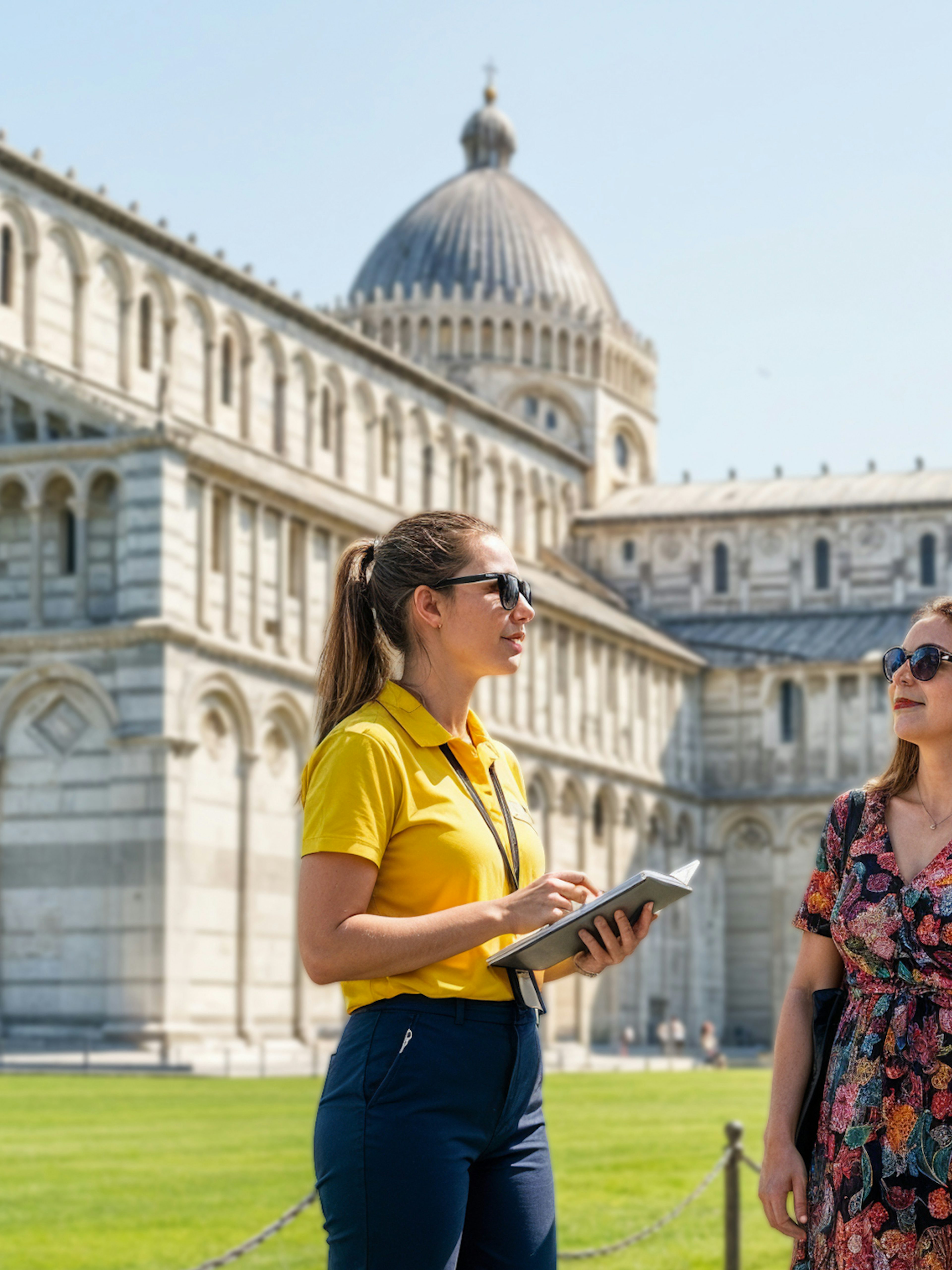
Home to Piazza dei Miracoli, the Cathedral, Baptistery, and the Leaning Tower in one square. On full-day combo tours only, with free time to explore the piazza at your own pace. Tower entry is available as an upgrade.

Recommended duration: 1 to 1.5 hours
Must-see: The Leaning Tower, Cathedral facade, Baptistery

🍇 Vineyards vs. Wineries in Chianti: What’s the difference?

When exploring Chianti, you’ll hear both vineyards and wineries mentioned often, and while they’re closely linked, they aren’t the same thing.

Vineyards

Where the grapes grow

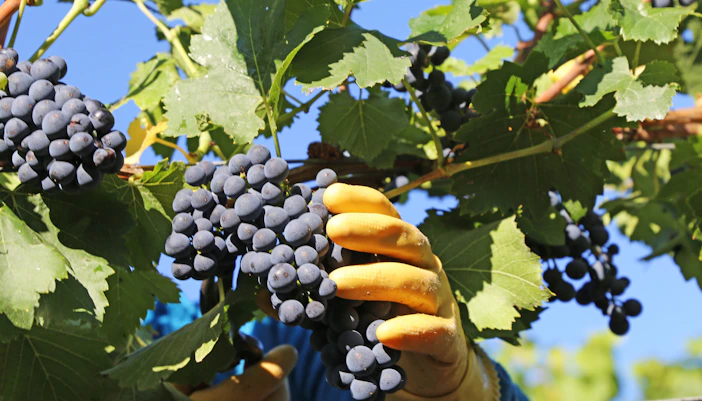
Vineyards are the rolling hills covered with rows of vines that define Chianti’s landscape. This is where the grapes are planted, nurtured, and harvested each season. A visit to a Chianti vineyard gives you a closer look at the region’s rich soil, microclimate, and traditions, the natural elements that make its wines so unique.

Wineries

Where the wine comes to life

A winery is where those grapes are transformed into wine. Here, you’ll find fermentation rooms, cellars, and tasting halls where experts guide you through every step of winemaking, from crushing to bottling. Most Chianti wineries also offer tastings and tours, letting you sample different vintages right where they’re made.

What a Chianti day actually feels like

This isn't a wine tour. It's a Tuesday in Tuscany that you'll talk about for years.

📍Morning, Florence
Coach loads up near Santa Maria Novella. You've got a coffee. The hills start about 40 minutes in.

🛢️ Mid-morning, first estate
Gravel underfoot. Cellar air hits you, cool, oaky, slightly earthy. Someone explains what galestro soil does to Sangiovese. You didn't expect to care. You do.

🍷 Noon, second winery
Six tastings in. The Riserva is genuinely different from the Annata and now you understand why. Bruschetta appears. You eat it standing up.

🚌 Afternoon, Siena or the road back
The light goes golden around 4pm. The Chiantigiana looks like a painting. You buy two bottles at the estate and already know one won't make it home.

"The Chianti Classico zone is one of Italy's oldest protected wine territories, but on the ground, it just feels like the most beautiful countryside you've ever eaten lunch in."

Best time to visit Chianti

Weather

Spring and early fall are the sweet spots for Chianti. April to June brings green vineyards, mild days, and softer countryside light, while September and October bring harvest-season scenery and cooler weather. July and August can get hot inland, especially around Florence and the wider Tuscan countryside.

Events

Late August to October is the liveliest time in wine country, with the grape harvest beginning around late August or early September and olive harvest following in October and November. It is a great time for vineyard atmosphere, seasonal food, and countryside views.

Crowds

May to October is the busy booking window, with July and August bringing the heaviest summer traffic and heat. For a calmer Chianti day, choose April to June or late September to October, when the weather is easier and the vineyards still feel alive.

How to get from Florence to Chianti

Guests on a coach transfer during Bovilla Lake and Gamti Mountain hiking tour.

The straightforward option, and the only one that actually gets you to the vineyards. All tours include round-trip AC coach transfers from central Florence.

The coach handles the Chiantigiana navigation so you don't have to. A licensed tour escort or multilingual guide is onboard throughout, and Wi-Fi is included on all departures. You arrive at each estate on schedule, with no parking stress, no rural road guesswork, and no one in the group staying sober to drive back.

Best suited for all tour formats in this lineup — it's the only transport option included across every Chianti tour from Florence.

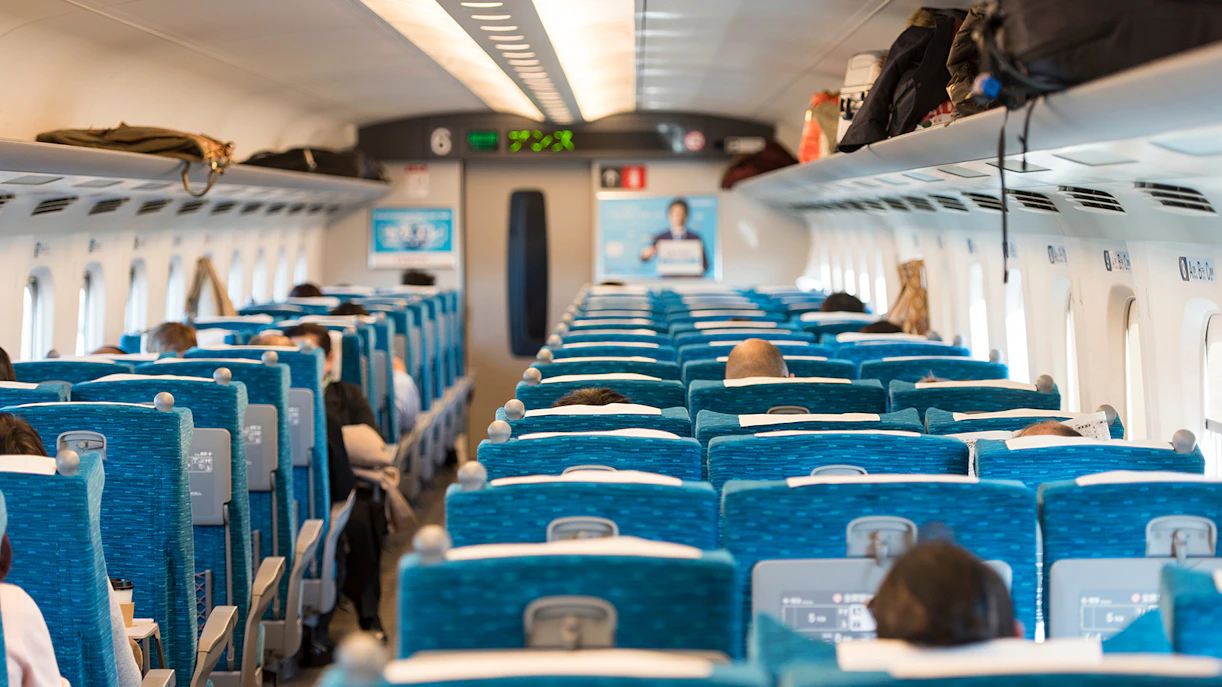
Passengers seated inside a Shinkansen train traveling from Tokyo, Japan.

Best for: Scenic views of the countryside.
Duration: 1 hour 30 minutes
Closest train station: Poggibonsi and Castellina in Chianti.
Frequency: Every 30 minutes
Timings: 6am, with services continuing until evening.

  • Take a train from Florence Santa Maria Novella station to Empoli. Change trains at Empoli for Poggibonsi or Castellina. The train routes don't actually cross through the Chianti region itself.
  • From these stations, you can take local buses to reach different towns of Chianti like Greve or Castellina. 
  • Remember to validate your train ticket in the machines located at the station before boarding. This is required to avoid fines.
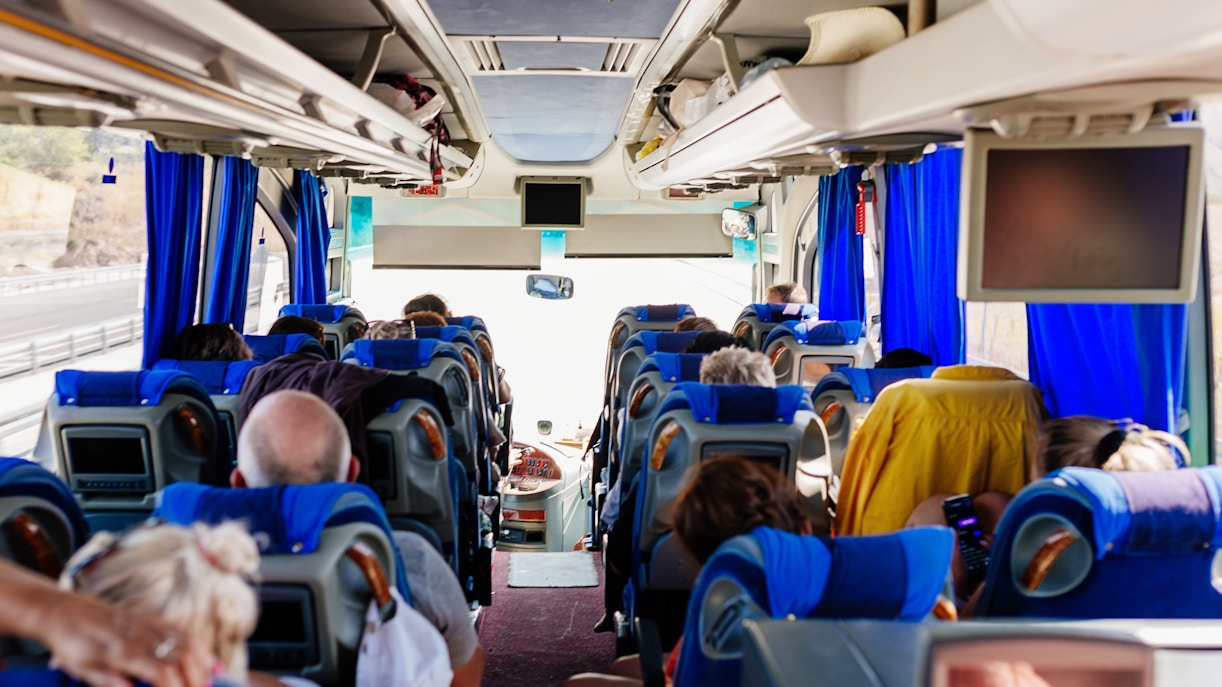
Passengers seated inside an air-conditioned tour bus.

Best for: Budget travel and direct access to Chianti towns.
Duration: 1 hour
Closest bus station: Various stops in Chianti towns.
Frequency: Every hour.
Timings: 6:30am - 7pm

  • Buses depart from Florence’s Santa Maria Novella train station or from Piazza della Stazione.
  • The main bus line to Chianti is SITA, specifically Line 365. It connects Florence to various towns in Chianti, including Greve in Chianti, Radda in Chianti, and Castellina in Chianti.
  • Buy tickets at local tabacchi (tobacco shops), at the bus station, or directly on the bus (with a small additional fee). Prices range from €3 to €5 depending on the destination. Do validate your ticket before boarding.
Man driving a car on a city street.

Best for: Travelers planning multiple stops or countryside stays
Travel time: Around 1 hour depending on destination
Approx. cost: Car rental + fuel + parking
Pros: Maximum flexibility, scenic routes, easy village hopping
Cons: Parking can be limited; not ideal if winery tastings are the focus

Driving gives you the most flexibility and is the best DIY option if you want to explore smaller villages, countryside roads, or rural wineries at your own pace. The SR222, also called the Chiantigiana road, is the classic scenic route between Florence and Siena through Chianti.

Helpful tips for a Florence to Chianti day trip

  • Eat before you taste: Estate tastings add up faster than you expect, starting on an empty stomach is a decision you'll notice by the third winery.
  • Bring cash for the road: National Park fees, roadside market stalls, and smaller estate gift shops often don't accept cards. €20 to €30 in cash covers most eventualities.
  • Wear the right shoes: Winery grounds mean gravel, uneven cobblestone, and cellar stairs. Leave the sandals in Florence.
  • Check your voucher the night before: Meeting points across these tours vary, Santa Maria Novella area for most, but confirm the exact spot. Missing a coach departure in Chianti is harder to recover from than missing a museum.
  • Buy a bottle at the estate: Cellar-door prices are consistently lower than Florence retail. Most estates sell directly, if you tasted something you liked, that's the moment to buy it.
  • Know your Sangiovese tiers: Annata is the entry-level vintage, Riserva is aged longer with more structure, Gran Selezione is the top of the range. Knowing the difference makes the tasting more useful and the shopping sharper.
  • Look for the Black Rooster seal: A Chianti bottle without the Gallo Nero seal isn't Chianti Classico, it's from a broader and less regulated zone. The seal is your quality marker.
  • Photography tip: The Chiantigiana at golden hour looks exactly like the label on an expensive bottle of wine. If your return route takes you back via the SS222 in late afternoon, keep your phone out.
  • Plan a loose evening: Full-day tours return to Florence by early evening, but traffic on summer weekends can push that. Don't book a tight dinner reservation on the same night.
  • Shipping is an option: If you buy more bottles than your luggage allows, most estates offer direct shipping. Worth asking before you talk yourself out of a case.

Make the most of your day trip

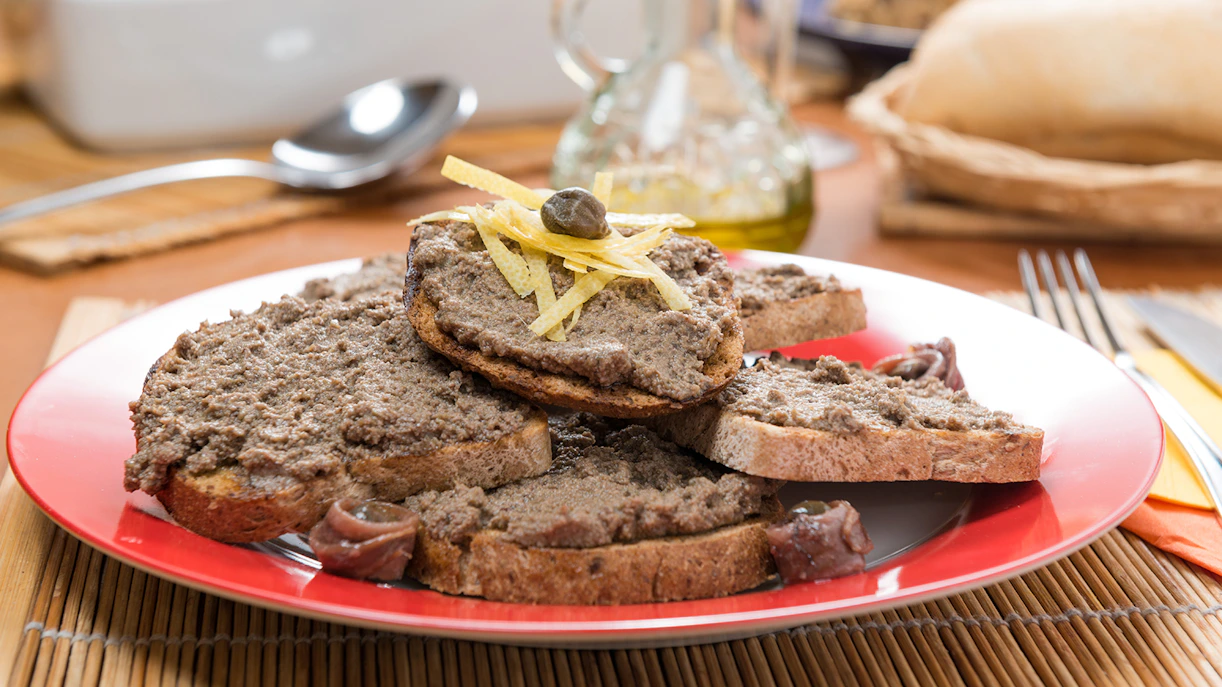
Crostini Toscani with liver pâté and capers on a red plate.
  • Bistecca alla Fiorentina: A thick-cut, charcoal-grilled T-bone steak.
  • Pappardelle al Cinghiale: Wide ribbons of pasta with wild boar ragù.
  • Crostini Toscani: Toasted bread topped with chicken liver pâté.
  • Ribollita: A hearty bread-and-vegetable soup, perfect for cooler days.
  • Cantucci with Vin Santo: Crunchy almond biscuits dipped in a sweet dessert wine.
Two women enjoying a meal at a tropical cafe.
  • Osteria di Passignano: Located in a former monastery, this Michelin-starred restaurant offers exquisite Tuscan cuisine with an emphasis on local ingredients. The ambiance is charming, making it perfect for a special meal.
  • Taverna Squarcialupi: A cozy and romantic atmosphere perfect for families and groups, located in Castellina. Offers a diverse menu with vegetarian options and local wines.
  • Ristorante La Cantina: Situated in Greve in Chianti, this restaurant specializes in traditional Italian dishes, particularly pizza and antipasti platters. The cozy tavern-like setting features exposed brick and stone, creating an inviting atmosphere.
  • Ristorante La Bottega del Borgo: A cut eatery in Castellina serving authentic Italian cuisine with a focus on local flavors. Known for its warm and kid-friendly ambiance.
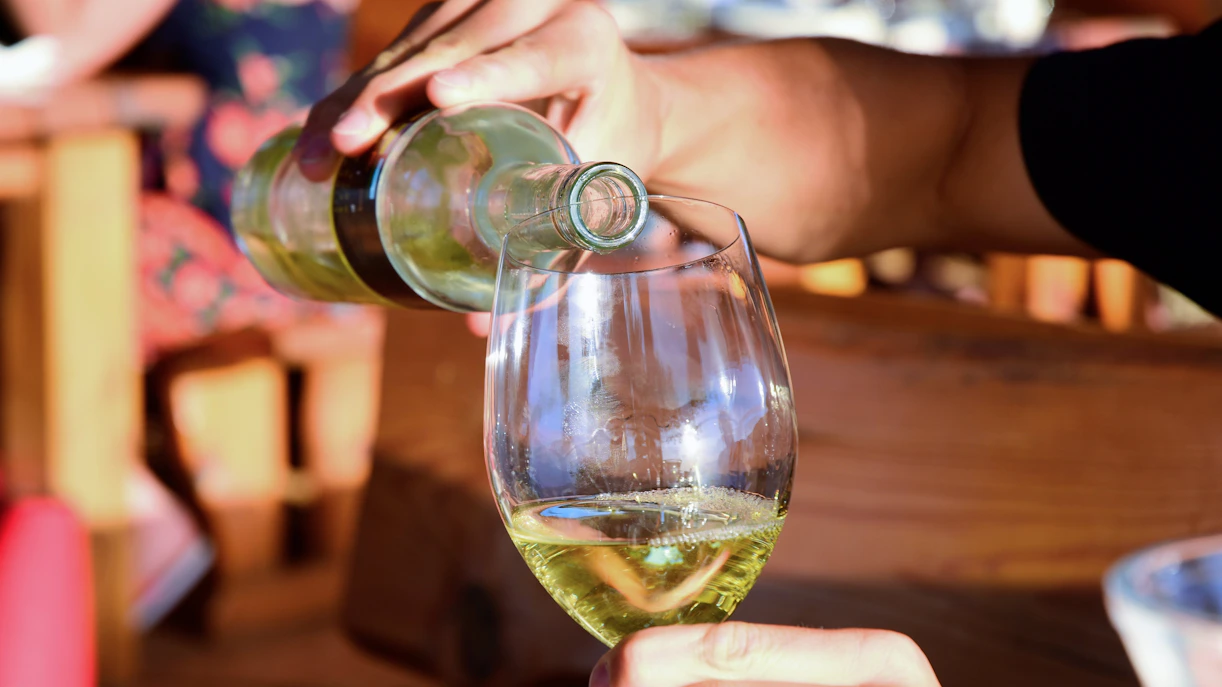
White wine being poured into a glass in sunny Stari Grad, Croatia.
  • Skip strong scents: Avoid perfumes or colognes that overpower wine aromas.
  • Hold the glass by the stem: This keeps the wine cool and prevents fingerprints on the bowl.
  • Take your time: Swirl, sniff, and sip slowly (don't gulp) to appreciate the flavors.
  • Use the spittoon: It’s perfectly acceptable to spit, especially when sampling several wines.
  • Cleanse your palate: Nibble on bread or water between tastings for a fresh start.
  • Engage with your hosts: Ask about grape varieties, vintages, and food pairings, winemakers love sharing their craft.
  • Stay open-minded: Try new varietals and blends, you might discover a favorite beyond Chianti Classico.

Frequently asked questions about day trips from Florence to Chianti

Most Florence to Chianti day trips last 4–5 hours or 8–10 hours. The drive to the first stop usually takes 45–75 minutes, making half-day tours a quick sampler and full-day tours more expansive.

Other day trips from Florence

Florence to Siena

Florence to San Gimignano

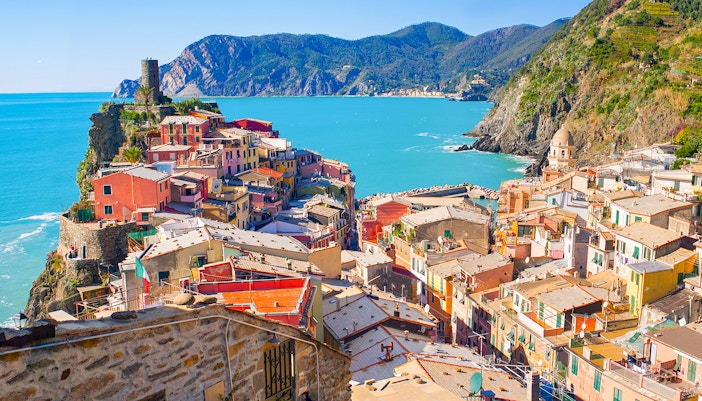
Florence to Cinque Terre